



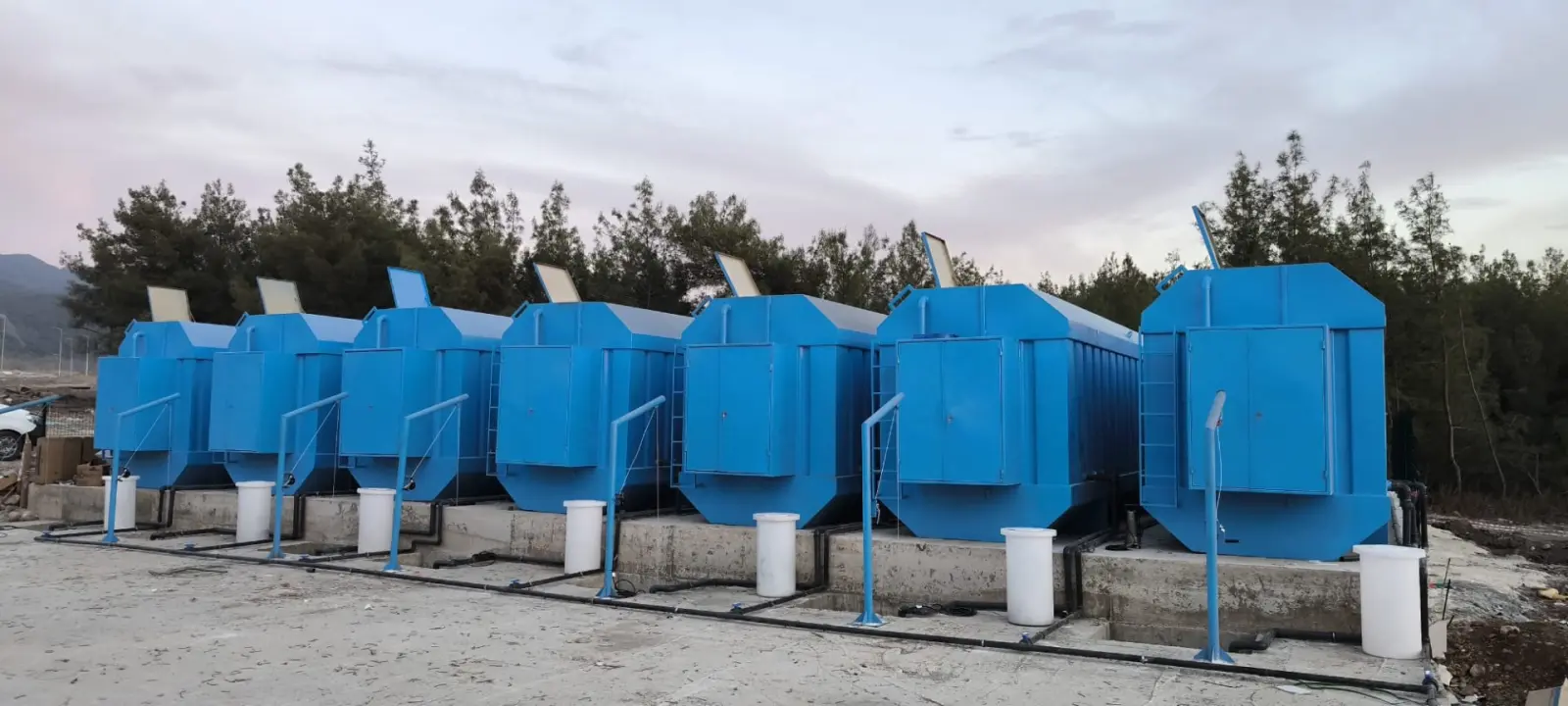
Water Softeners & Limescale Removal Systems
Water softeners and limescale removal systems for apartments, buildings and residential blocks.
About Us
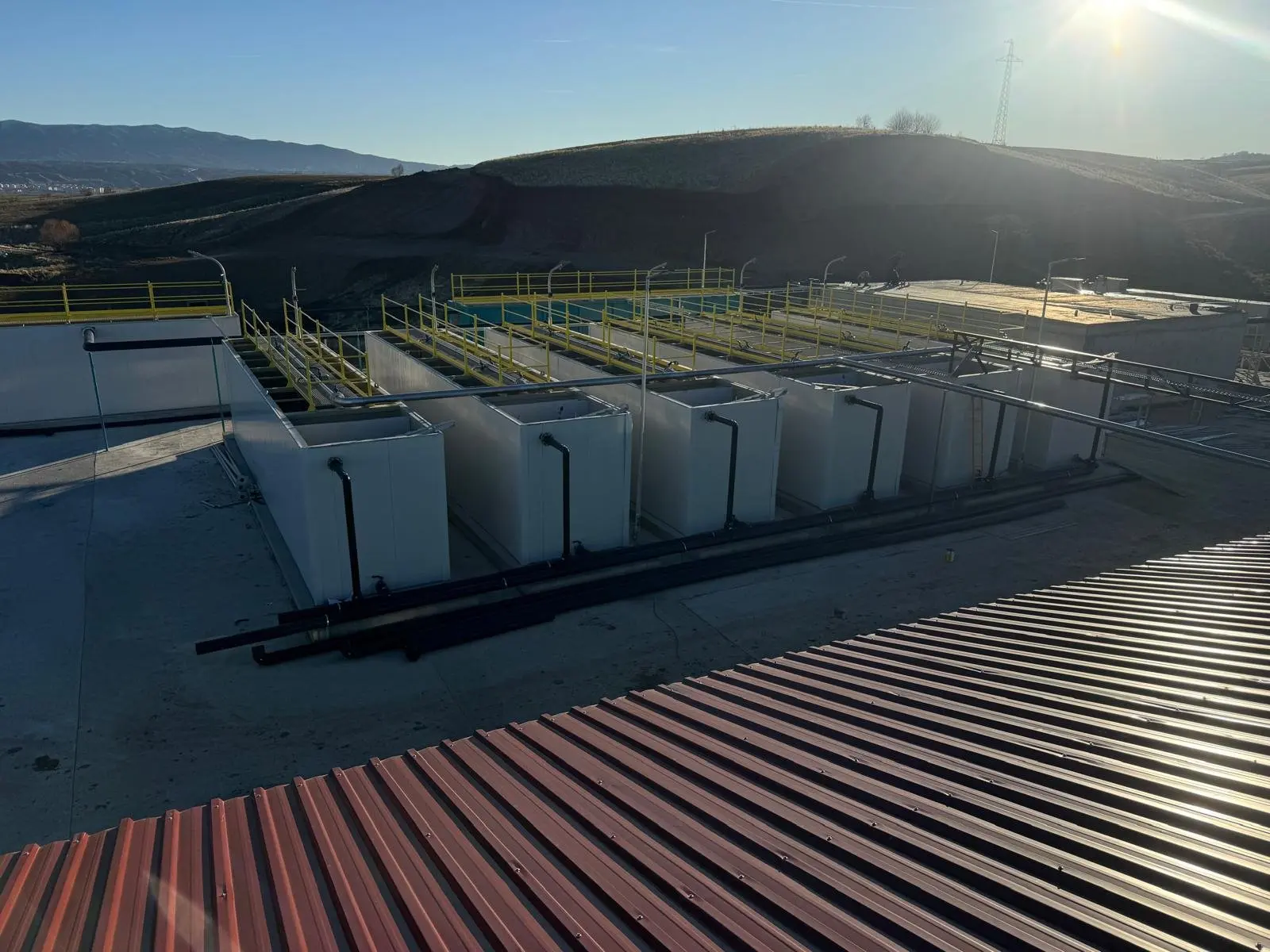
AQUABELLA brings together limescale treatment and water softening solutions for apartments, buildings, residential blocks and villas. We select each system based on water quality, flow rate and plumbing conditions.
Review the right technology, installation requirements and maintenance conditions through clear technical information.
Our Solutions
Explore limescale treatment and water softening options for apartments and buildings.
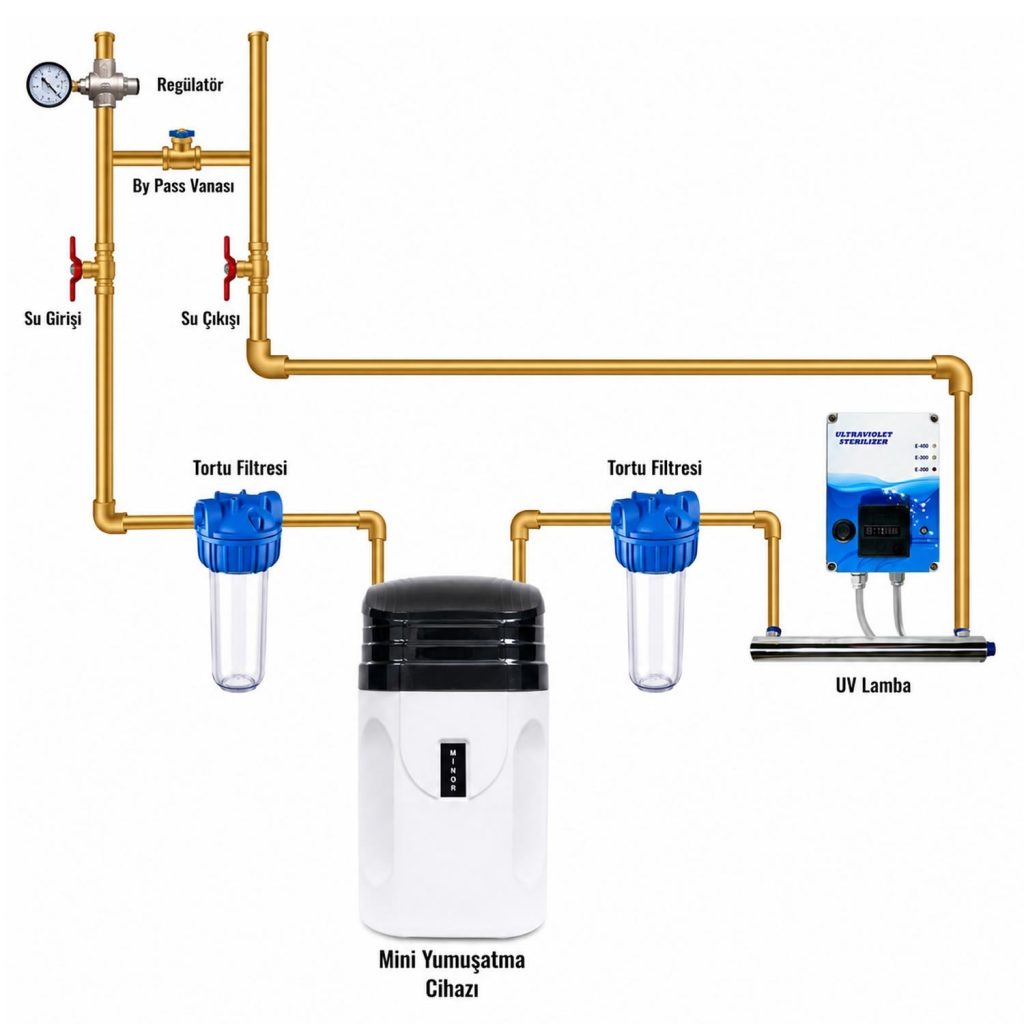
Well Water Treatment System: UV + 8 L Resin Water Softener (4 Stages)
A compact 4-stage system that combines sediment filtration, automatic water softening and UV at the outlet of a well or storage tank. With an…
Learn More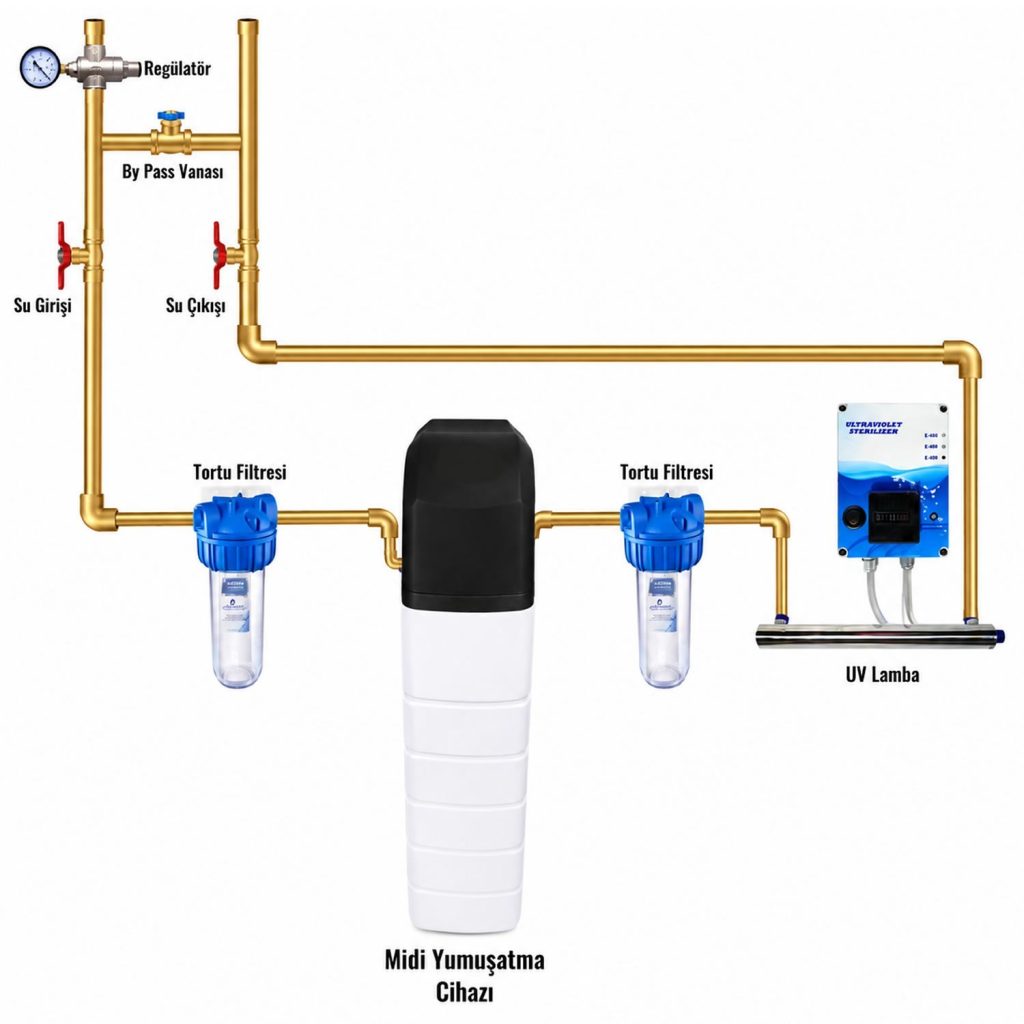
Well Water Treatment System: UV + 18 L Resin Water Softener (4 Stages)
A 4-stage well water system with an 18-litre resin FLT fully automatic softener, two washable sediment filters and a UV unit with control panel.…
Learn More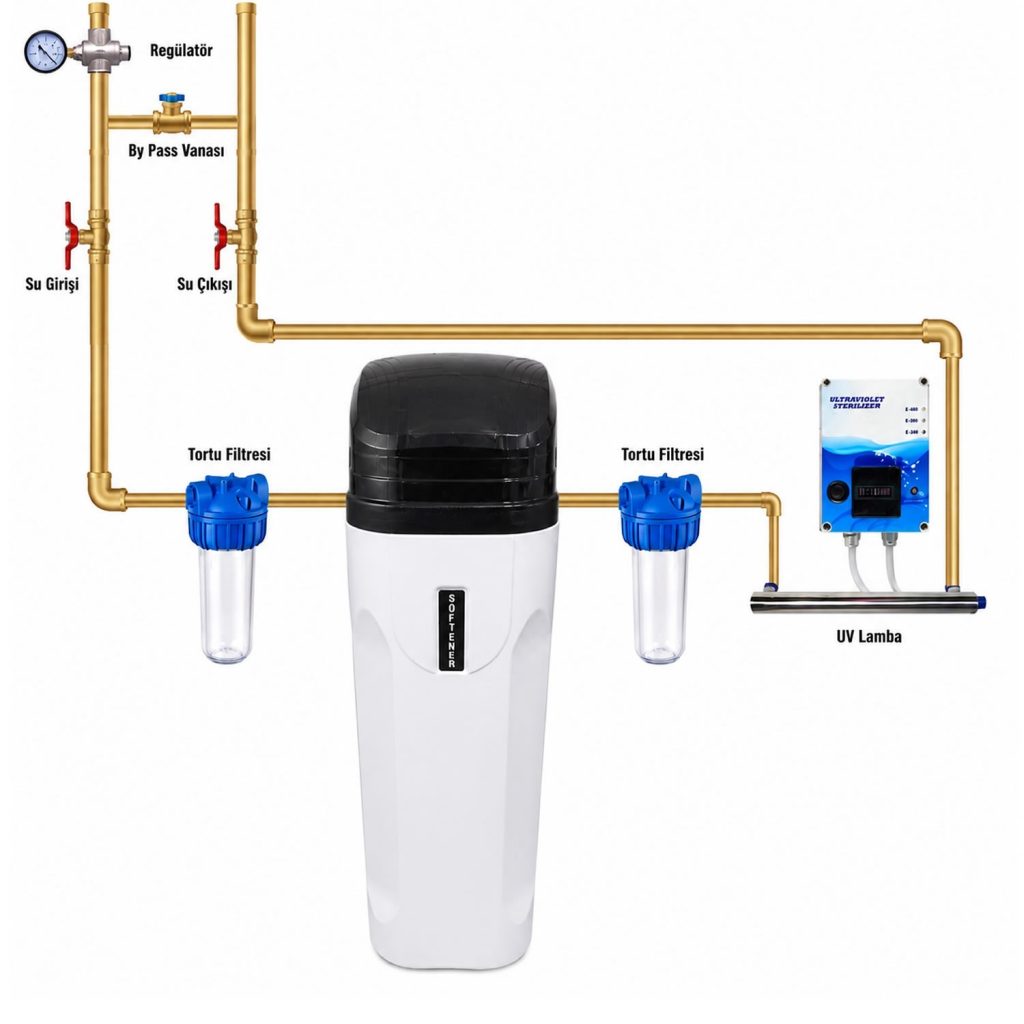
Well Water Softener 25 L Cabinet + UV and Sediment Set
A three-function set made of an SC-30 Maxi Luxury cabinet softener, sand/sediment pre-treatment and an AQUALINE E-505 UV unit. With 25 litres of resin…
Learn More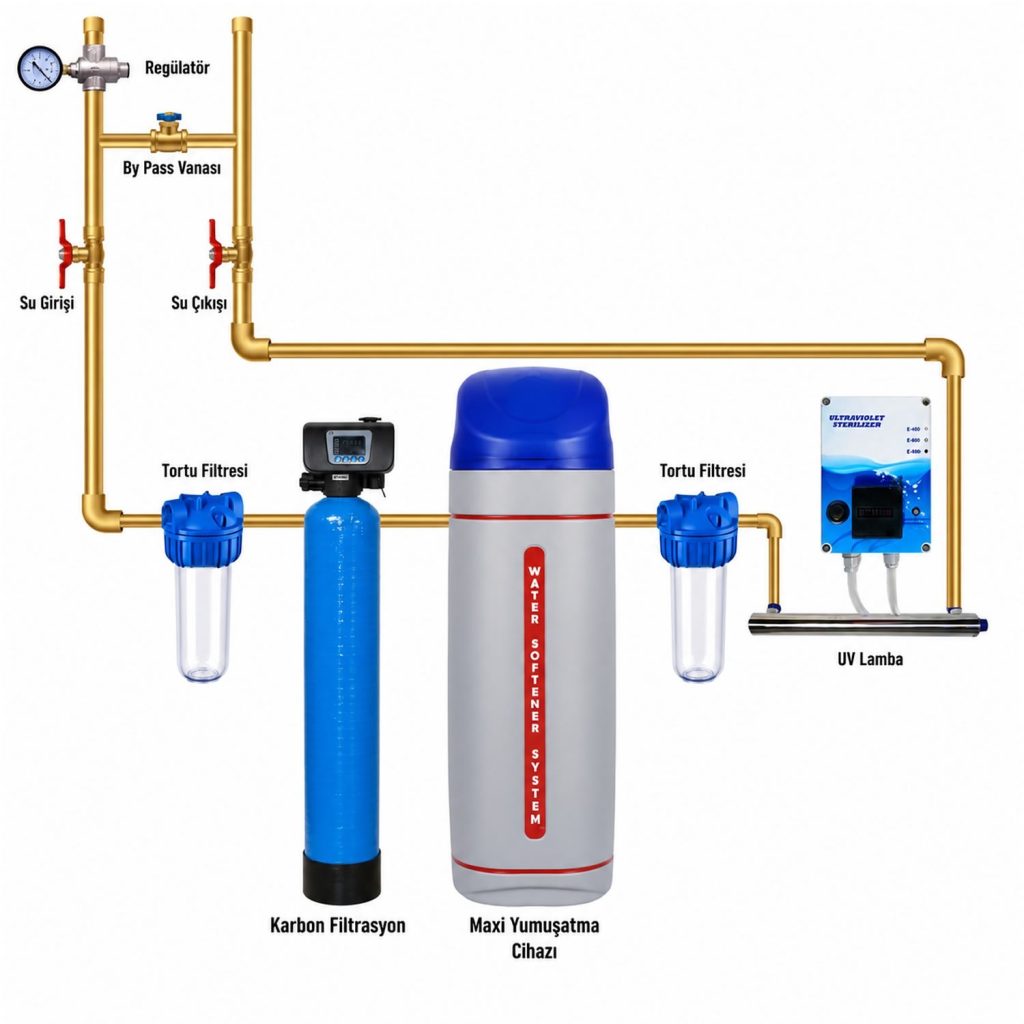
Fully Automatic Well Water System: Carbon + Softener + UV (5 Stages)
A 5-stage fully automatic well water system with a sediment filter, an automatic carbon unit with 25 kg activated carbon, a 25-litre resin automatic…
Learn More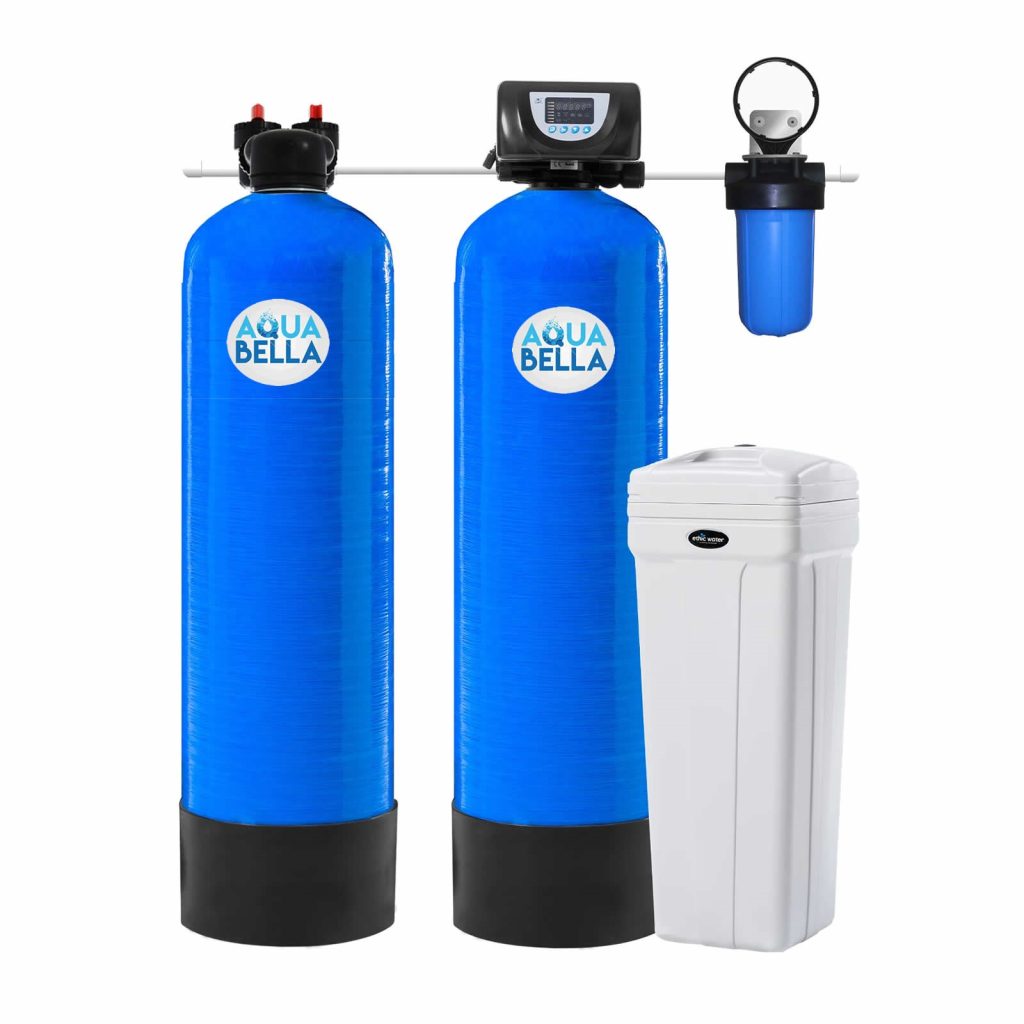
Well Water System: Carbon + Softener with 5 Micron Sediment Filter
A whole-house well water set with a 5 micron sediment filter, an activated carbon unit and an automatic water softener. It reduces sediment, odour…
Learn More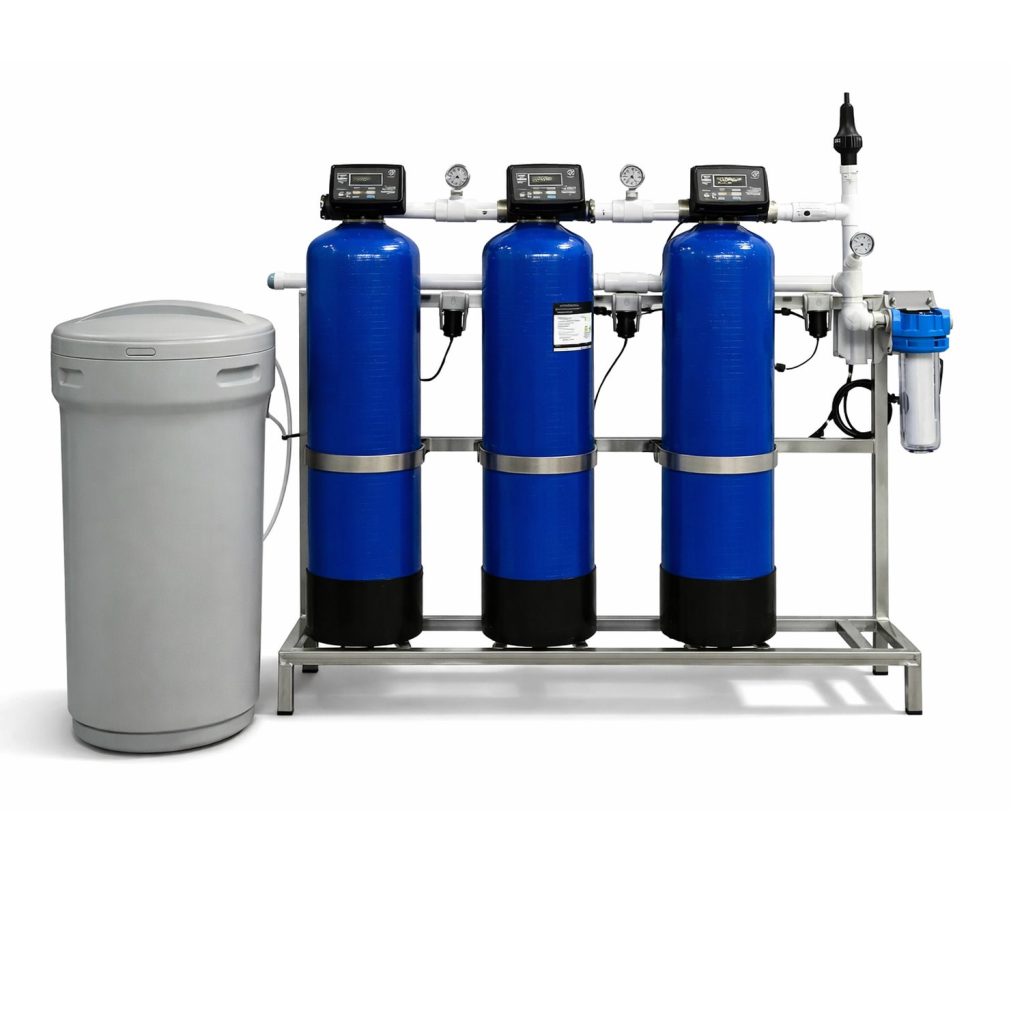
Well Water System: Sand + Carbon + Softener, 10x35 Tanks
A professional 4-component well water system with 10" housing pre-filtration and automatic sand filter, activated carbon and water softener tanks. Designed for villas, farms…
Learn More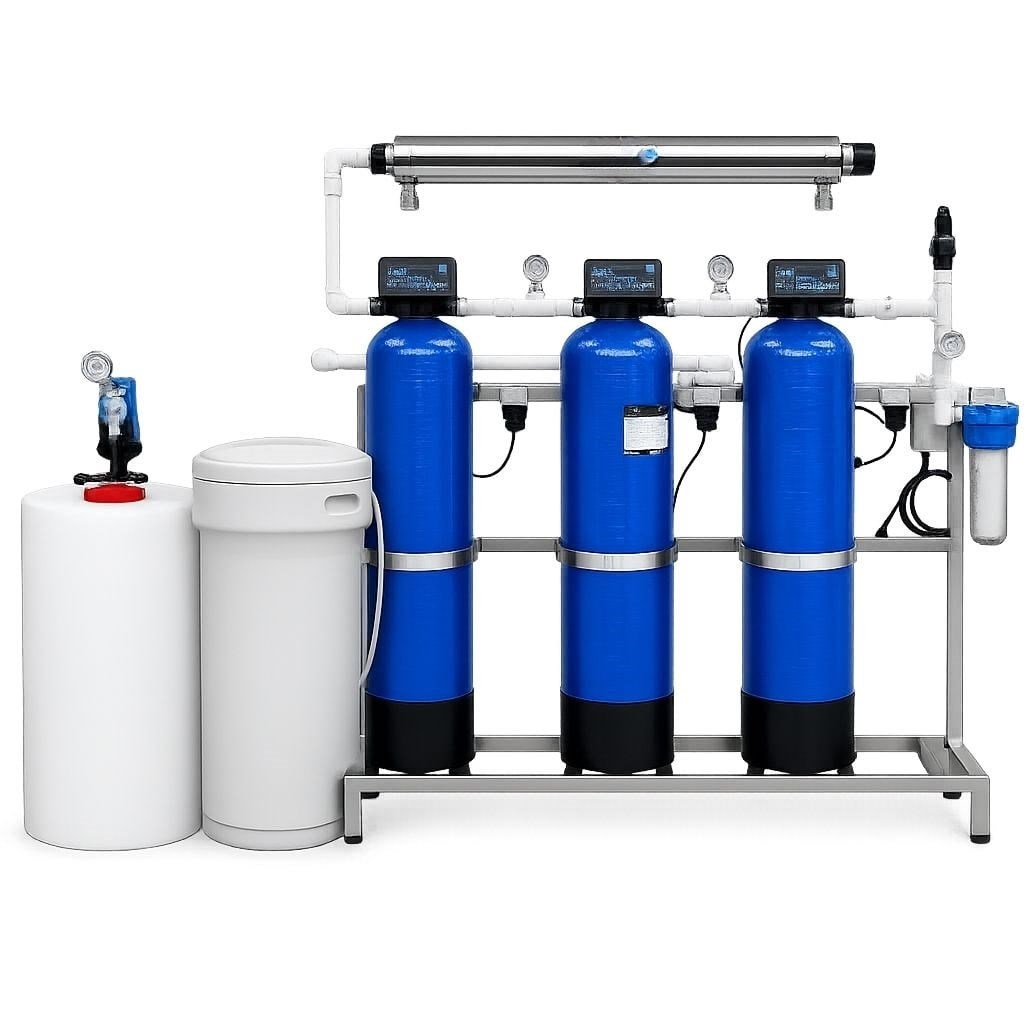
Industrial Well Water Treatment System, 30 Tonnes per Day
An industrial well water treatment system designed for 30 tonnes (30,000 litres) per day. With multimedia/sand filtration, activated carbon and softening stages sized from…
Learn More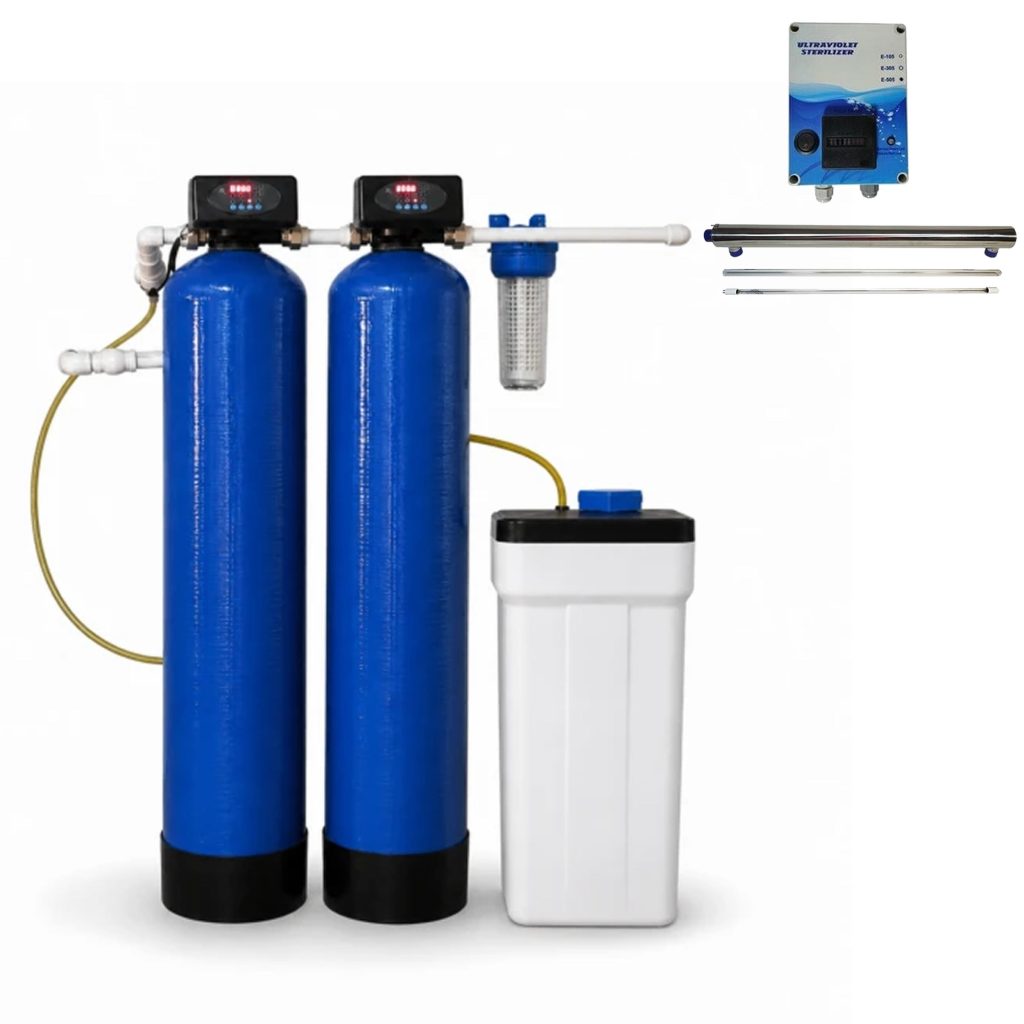
Well Water System: Sand + 25 L Softener + 105 Pro UV
A well water system with sand and sediment pre-filtration, an SC-30 Maxi Luxury cabinet softener and a 105 Pro UV unit with 304 stainless…
Learn More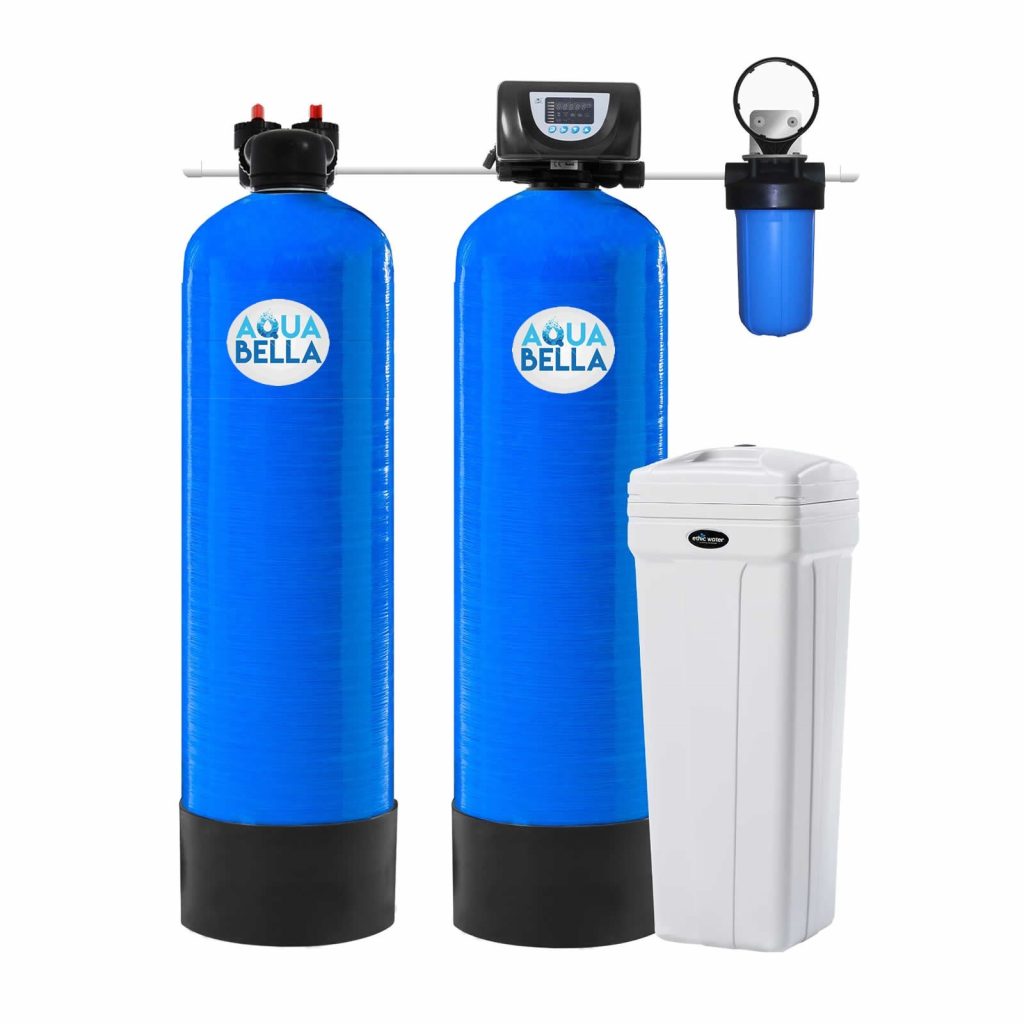
Well Water System: Carbon + Softener with 10"x54" Tanks
A well water system built with large 10"x54" tanks and 5 micron sediment, activated carbon and automatic softening stages. The larger media volume gives…
Learn More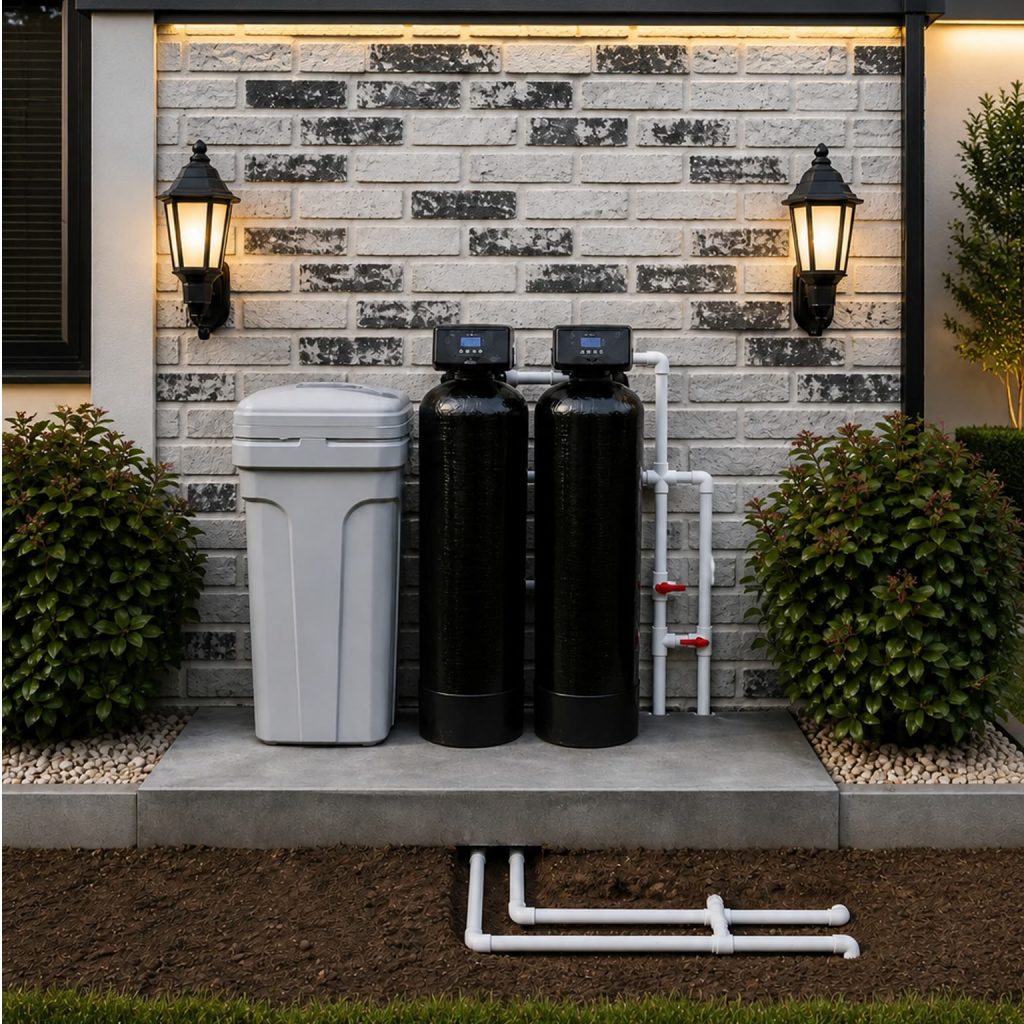
Villa Twin-Tank Italian Water Softener + Carbon Odour System
A twin-column (alternating) water softener with Italian Gois tanks plus an activated carbon odour unit. While one tank is in service the other regenerates,…
Learn More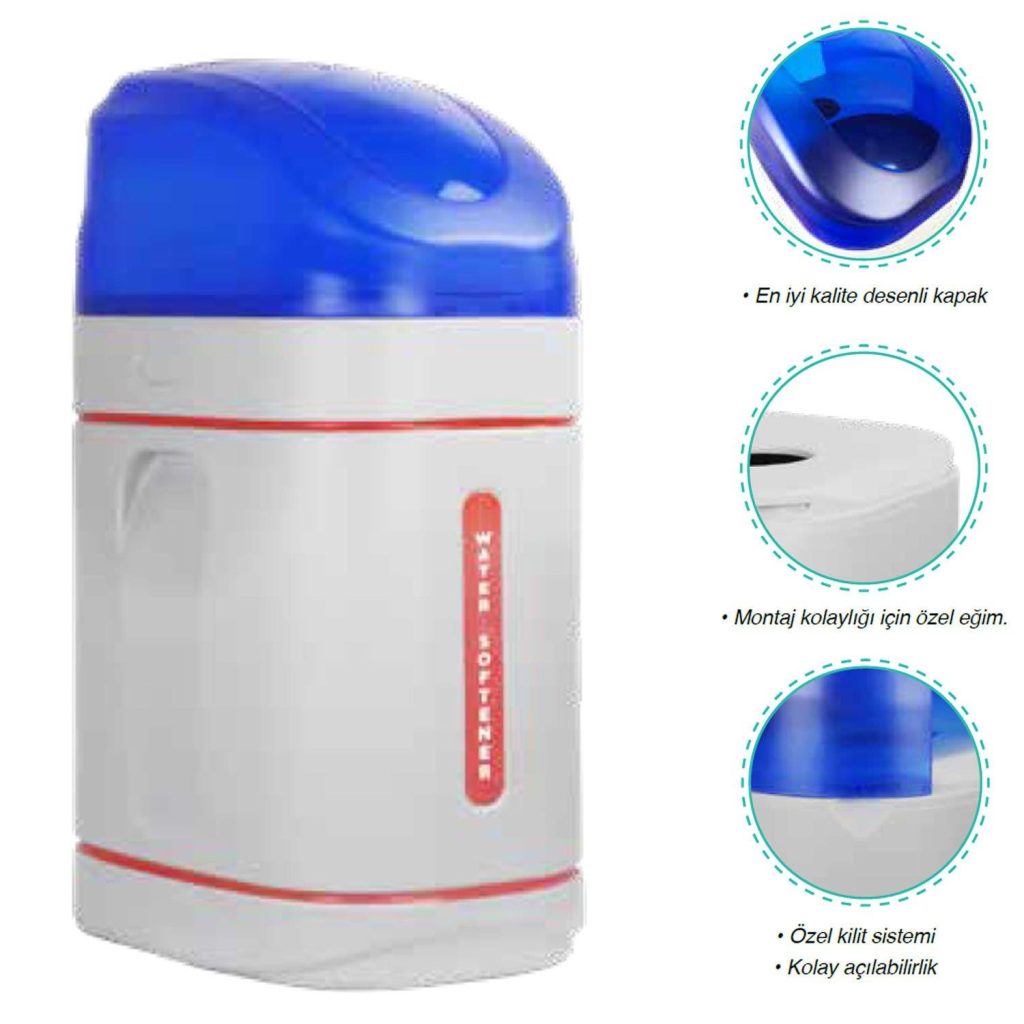
AQUA BELLA Soft Plus Mini Cabinet Water Softener
A compact AQUA BELLA cabinet water softener for apartment inlets and small homes, with the resin tank and brine tank in a single body.…
Learn More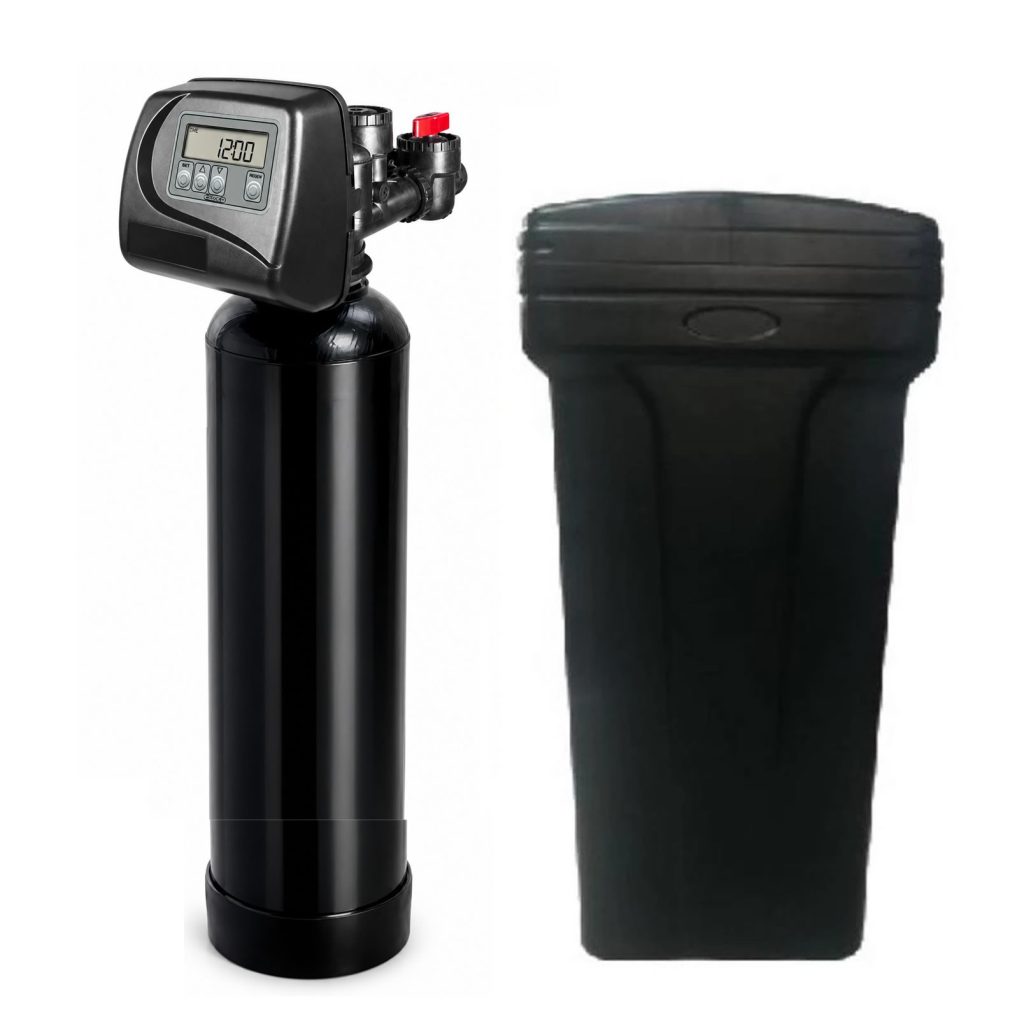
Clack Fully Automatic Water Softener, 25 L NSF Resin, 10x35
A fully automatic water softener with an American Clack valve, an Italian 10"x35" tank and 25 litres of NSF-certified resin. With up to 6.1…
Learn MoreSolutions by Application
For every application we assess water quality, consumption and plumbing conditions together.
 Application
Apartment Blocks
Central systems for residential blocks, with flow rate and resin capacity calculated for the number of units.
Learn More Application
Buildings & Commercial Premises
Whole-building softeners that protect boilers, water heaters and plumbing in hotels, offices and schools.
Learn More Application
Villa Water Treatment Solutions
Villa installations where indoor use, storage tanks and garden lines are assessed separately.
Learn More Application
Water Softener Models
AQUA BELLA water softener models by capacity, from single apartments to whole buildings.
Learn More Application
Water Softener Brands
How to compare control valves, resin, warranty and service network when choosing a brand.
Learn More Application
Water Softening Systems
Learn how ion exchange, resin capacity and regeneration work.
Learn MoreWhy AQUABELLA?
Needs-Based Selection
Options evaluated for your water hardness and usage.
Capacity Planning
Flow rate and plumbing conditions reviewed together.
Clear Technical Data
Compare product specifications with transparent information.
Maintenance Planning
Plan maintenance and consumables in advance.
A water softener removes the calcium and magnesium that make water hard. Hard water leaves white scale on taps and shower screens, coats the heating elements of boilers and water heaters, shortens the life of washing machines and dishwashers, and slowly narrows pipes. AQUA BELLA designs and supplies water softeners and limescale treatment systems for single apartments, residential blocks, hotels, commercial buildings and villas, and ships them worldwide from Istanbul, Türkiye.
How Does a Water Softener Work?
Most whole-house softeners use ion exchange. Water flows through a tank filled with resin beads; the resin captures calcium and magnesium ions and releases sodium in their place. When the resin is saturated, the control valve starts a regeneration: brine from the salt tank washes the resin and restores its capacity, and the hardness is flushed to drain. Volume-controlled (metered) valves regenerate only when the measured water use requires it, saving salt and water. We explain the technology in detail on our water softening systems page.
Softening or Scale Prevention?
Not every product sold as a “limescale remover” actually softens water. Polyphosphate filters, magnetic and electronic devices and TAC media aim to change how scale forms, but they do not reduce measured hardness. They can be useful for a single boiler or washing machine; for a whole building, ion exchange is the proven solution. Compare the options on our limescale treatment systems page and read scale prevention vs. water softening.
Solutions by Application
| Application | Typical solution | Learn more |
|---|---|---|
| Single apartment | Compact cabinet softener at the apartment inlet | Apartment water softener |
| Residential block | Central softener sized for the number of units | Water softener for apartment blocks |
| Hotel, office, school | Twin-tank (duplex) softener for uninterrupted soft water | Whole-building water softener |
| Villa, farm, well water | Staged system: sediment, carbon, softener, UV | Villa water softener |
| Single appliance | Polyphosphate scale filter | Limescale filter |
How to Choose the Right Size
1. Measure the hardness
Hardness is expressed in °fH (French degrees), °dH (German degrees) or mg/L CaCO₃. 1 °fH equals 10 mg/L CaCO₃ and 1 °dH equals about 1.78 °fH. Water above about 20 °fH is considered hard, and above 30 °fH very hard. A simple test kit or a laboratory analysis gives the value we need.
2. Estimate the peak flow
Peak flow is the amount of water used at the same moment, for example during morning showers. A unit that is too small causes pressure drops; one that is too large regenerates too rarely. The flow rate, not just the daily consumption, determines valve and tank size.
3. Check the installation space
A softener needs a bypass valve, a drain for regeneration water and a power socket. Cabinet models fit in a kitchen cupboard; building systems need a plant room. Photos of the space help us recommend the right model.
Prices, Shipping and Support Abroad
All our prices are shown in US dollars and follow the same price list as our Turkish customers. Water softener prices depend on resin volume, valve type, tank size and the pre-filtration your water needs; see water softener prices for the factors. We ship worldwide, size systems remotely from your water analysis, and guide your local plumber through installation and commissioning. Browse our water softener models and well water treatment systems, or compare water softener brands.
Frequently Asked Questions
What does a water softener do?
It removes calcium and magnesium by ion exchange, so limescale no longer forms in pipes, boilers, water heaters and appliances.
Do you ship water softeners abroad?
Yes. We ship worldwide from Istanbul. Shipping cost and lead time are included in your quote in US dollars.
How do I know which size I need?
Send us your water hardness, the number of bathrooms or apartments and your inlet pipe size. We calculate the flow rate and resin volume and recommend a model.
Is softened water safe to drink?
Softened water contains a small amount of sodium. For drinking, many households add a separate drinking water filter; people on a low-sodium diet should ask their doctor.
AQUABELLA